Branding Through Design
Helping clients express identity through custom joinery
How bespoke cabinetry is becoming a powerful tool for expressing personality, values, and brand identity in both residential and commercial spaces
In today’s design landscape, joinery is doing far more than providing storage or structure. It’s becoming a powerful medium for storytelling. Whether in a family home, boutique retail space, or corporate office, custom cabinetry has become established as one of the most effective ways for clients to express who they are and what they stand for. Style has become identity, and identity has become brand.
For interior designers and cabinet makers, this creates exciting opportunities. Bespoke joinery now plays a central role in shaping emotional connection, reinforcing values, and creating spaces that feel unmistakably “theirs.”
The Rise of Identity-Driven Interiors
Traditionally, branding was the domain of graphic designers and marketers—logos, signage, colour palettes, and digital touchpoints. But in recent years, branding has evolved into something far more holistic. People now express identity through lifestyle, materials, and the physical environment around them.
Homeowners want spaces that reflect their personality and aspirations. Businesses want interiors that communicate who they are the moment someone walks in. And both are turning to custom joinery as a way to achieve this.
Why joinery? Because it’s permanent, detailed, and deeply integrated into a space. Unlike loose furnishings, bespoke cabinetry can articulate a client’s story with subtlety and longevity.
Residential Spaces: More Than Just Style
In the home, custom joinery is becoming a major vehicle for personal expression. Australians increasingly want interiors that feel unique, authentic, and tied to their lifestyle—not cookie-cutter replicas of what they see online.
Personality Through Material Choices
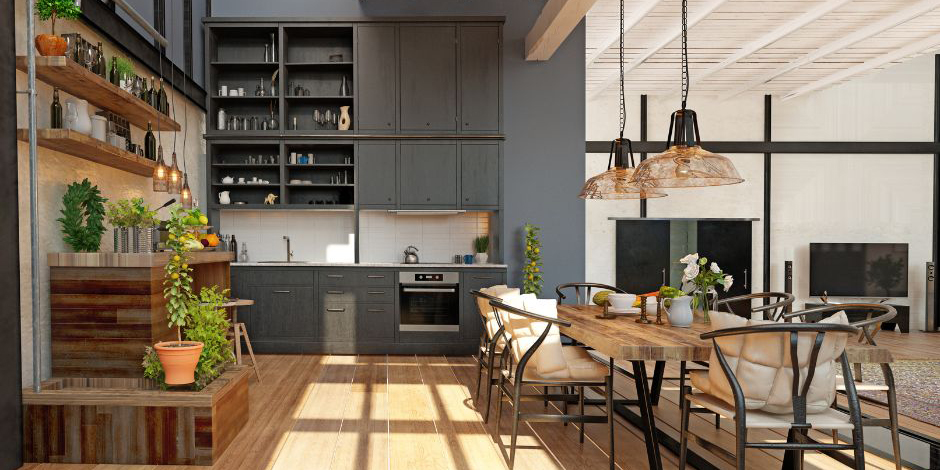
Materiality says a lot about a homeowner. Warm Australian timbers may suggest a connection to nature or local craftsmanship. Dark matte cabinetry conveys sophistication and restraint. Highly textured finishes imply creativity and boldness.
Lifestyle Branding
Joinery can communicate how a family lives:
✔️Integrated wine fridges for entertainers
✔️Oversized island benches for cooks
✔️Display shelving for art collectors
✔️Hidden charging stations for tech lovers
✔️Mudroom joinery for active outdoor families
Every functional decision reinforces a narrative about the household.
Cultural or Emotional Signifiers
Bespoke joinery often incorporates sentimental or cultural touches: timber profiles inspired by heritage homes, Japanese-influenced simplicity, or contemporary lines reflecting urban life.
These design cues become part of a home’s identity and the homeowner’s story.
Commercial Interiors: Brand Experience Made Physical
In business environments, joinery is an essential part of the brand experience. It communicates who the company is long before a word is spoken.
Retail Spaces
Custom cabinetry displays products in a way that aligns with brand values—minimalist shelving for a premium skincare line, sculptural timber forms for an eco-conscious boutique, or bold colour-backed joinery for a playful fashion label.
Hospitality
Restaurants and cafés use joinery to set the tone: curved bar fronts for soft, welcoming aesthetics, reclaimed timber counters for sustainability-led venues, or dramatic stone-clad cabinetry for high-end dining.
Workplaces
Corporate joinery supports brand messages:
✔️Neutral, clean finishes for professional services
✔️Bright, collaborative hubs for tech companies
✔️Natural timbers and greenery integration for wellness-focused brands
Every touchpoint—from reception desks to meeting room storage—reinforces identity.
Custom Joinery as a Communication Tool
Bespoke cabinetry offers three core advantages when it comes to expressing identity:
1. Visual Language
Through shape, texture, and colour, joinery creates a visual language unique to the client. Curves feel friendly and approachable; strong lines communicate confidence and structure.
2. Tactile Branding
Touch conveys emotion. Soft-touch laminates feel calm and grounded. Ribbed timber feels crafted and intimate. Brushed metal communicates industrial strength.
3. Functional Storytelling
How a space works can reveal who uses it:
✔️A minimalist, clutter-free kitchen suggests a love of simplicity
✔️A barista-style coffee nook reveals hospitality warmth
✔️A room divider with rotating shelving suggests creativity and play
Function becomes part of the brand narrative.
How Designers and Cabinet Makers Can Guide Clients
Helping clients express identity through joinery requires more than technical skill – it requires insight and communication.
Ask Story-Driven Questions
Instead of “What colour do you like?”, ask:
✔️“What do you want guests or customers to think when they walk in?”
✔️“How do you want this space to feel?”
✔️“What defines your personal or brand values?”
Translate Values Into Materials
For example:
✔️Sustainability → Australian timbers, recycled boards, natural finishes
✔️Precision and professionalism → clean lines, matte surfaces, integrated lighting
✔️Creativity → bold forms, unique textures, open display spaces
Show, Don’t Tell
Mood boards, 3D renders, and material samples help clients visualise how joinery communicates identity.
Create Distinctive Details
Custom handles, unique profiles, inset panels, or signature curves can become a client’s “design fingerprint.”
A Growing Opportunity
As identity-driven design becomes a defining trend, custom joinery will continue to be a powerful tool for clients seeking personal or brand expression. Designers and makers who understand this shift can position themselves as storytellers—translating values, personality, and aspirations into material form.
In an increasingly competitive market, crafting cabinetry that reflects identity is not just good design—it’s good business.