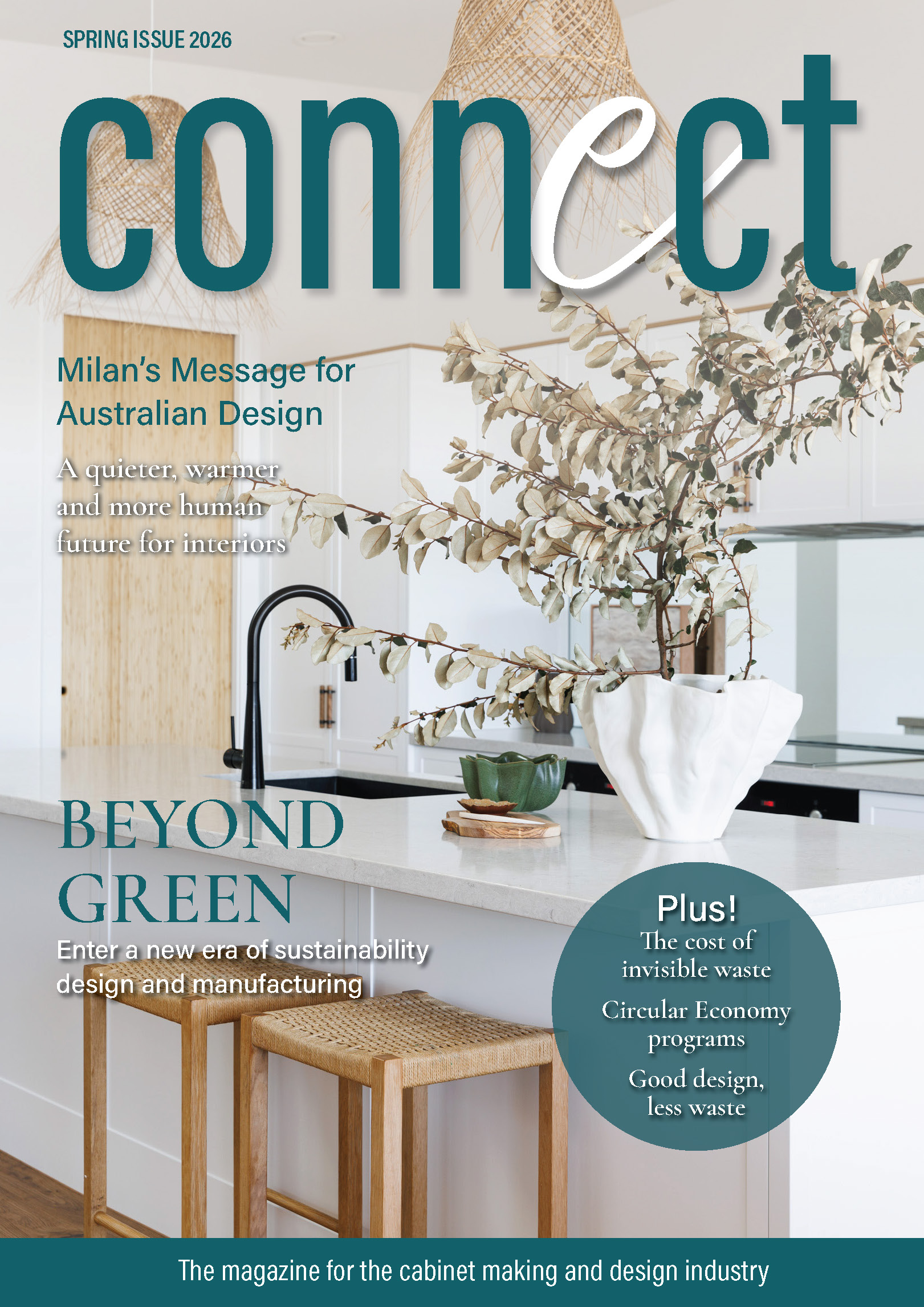
Global Trends Shaping Australian Kitchens
Kitchen design is a dynamic and evolving field influenced by cultural trends from around the world. Australia, with its melting pot of cultures and traditions, is perfectly placed to adapt and interpret global influences to create unique kitchens that reflect our diverse cultural aesthetics and functional needs. Today we’ll explore how different cultures can influence and inspire kitchen design in Australia, showcasing global trends and their impact.
Asian Minimalism: Simplicity and Functionality
Japanese Influence
Japanese design principles, known for their simplicity, functionality, and minimalism, have a significant impact on Australian kitchens. The concept of “Ma,” or negative space, emphasises the importance of empty spaces, creating a sense of calm and order. This influence is seen in open, uncluttered layouts with clean lines and natural materials such as wood and stone. Sliding doors and shoji screens are also integrated to provide flexible and efficient use of space.
Chinese Feng Shui
Feng Shui, the Chinese practice of arranging spaces to promote harmony and balance, plays a role in kitchen design. In Australian homes, this influence is reflected in the careful placement of kitchen elements to optimise energy flow. For instance, layout and form of an efficient work triangle enhances functionality and balance. Colours and materials are chosen to promote a sense of well-being and prosperity.


European Elegance: Timeless and Refined
Scandinavian Design
Scandinavian design, characterised by its simplicity, functionality, and connection to nature, has become a staple influence in Australian kitchens. Light-coloured woods, neutral cabinetry, and large windows that let in natural light are key features. The use of open shelving and minimalist décor promotes an airy and spacious feel. This style also emphasises sustainability, with a preference for eco-friendly materials and energy-efficient appliances.
French Provincial
French Provincial kitchens exude a rustic elegance that has found a place in many Australian homes. This style features ornate cabinetry, vintage fixtures, and natural materials such as stone and timber. Decorative elements such as wrought iron hardware and farmhouse sinks add to the charm. The colour palette often includes soft, muted tones of cream, lavender, and sage, creating a warm and inviting atmosphere.
Italian Modern
Italian design brings a blend of modern aesthetics and traditional craftsmanship to Australian kitchens. Sleek, high-gloss finishes, state-of-the-art appliances, and bold colour schemes are hallmarks of this style. Italian kitchens prioritise both form and function, with seamless integration of technology and luxury. This influence is evident in the use of high-quality materials such as marble countertops and designer fixtures.


Middle Eastern and Mediterranean Warmth
Moroccan Flair
Moroccan-inspired kitchens are known for their vibrant colours, intricate tile work, and rich textures. In Australia, this influence is seen in the use of mosaic backsplashes, patterned floor tiles, and ornate lighting fixtures. The incorporation of bold colours such as cobalt blue, terracotta, and emerald green adds warmth and character to the kitchen. Open shelving and decorative pottery further enhance the exotic appeal.
Greek Simplicity
Greek design brings a sense of simplicity and serenity to kitchen spaces. Whitewashed walls, blue accents, and natural stone surfaces are common features. In Australian kitchens, this influence is reflected in the use of light, airy colour schemes and materials that evoke the Mediterranean landscape. Open layouts and ample natural light create a bright and welcoming environment.
Australian Fusion: A Blend of Global Trends
Australian interior design is perfectly placed to incorporate a fusion of global trends, reflecting the country’s multicultural identity. This blend results in spaces that are not only functional but also rich in character and diversity.
Indigenous Australian Elements
Incorporating Indigenous Australian elements, such as earthy colour palettes, natural materials, and traditional art, adds a unique and culturally significant touch to kitchen design. This approach, when responsibly sourced, not only honours the rich heritage of Australia’s First Nations people but also promotes a connection to the land and environment.


Modern Interpretations
Modern Australian kitchens often feature a mix of cultural influences, creating eclectic yet harmonious spaces. For instance, a kitchen might combine Japanese minimalism with Scandinavian functionality and Moroccan aesthetics. This blend results in a unique style that is both contemporary and reflective of Australia’s diverse cultural landscape.
By embracing these diverse influences, the Australian kitchen design industry continues to evolve, offering spaces that are not only beautiful and functional but also reflective of the country’s multicultural identity and helping to create kitchens with a unique sensibility.