The Hybrid Home
Designing multifunctional spaces for work, play, and wellbeing.
The way Australians live at home has undergone a profound transformation; what was once a clear separation between living, working, and relaxing has blurred into a new domestic landscape where rooms must adapt to multiple purposes – often within the same day. The rise of hybrid living has reshaped client expectations and provided designers and cabinet makers with a pivotal role to play in creating homes that are not only beautiful, but intelligent, flexible, and deeply supportive of modern life.
Hybrid homes reflect a shift toward lifestyle fluidity and future planning. As remote work becomes permanent for many Australians and households seek spaces that evolve with changing needs – from children learning at home to adults exercising, entertaining, or decompressing – interiors must work harder than ever.
Flexible cabinetry, integrated joinery, and clever spatial planning are redefining modern living.
The Rise of Multifunctional Design
The hybrid lifestyle demands versatility. A kitchen may double as a work zone, a bedroom as a mindfulness space, and a living room as a remote office by day and a family hub by night. For cabinet makers and designers, this shift presents new opportunities: creating solutions that stretch square metres further and ensure every millimetre is intentional.
This doesn’t mean compromising style or comfort. Instead, the hybrid home encourages smart, tailored design that blends technology, custom joinery, and spatial planning into seamless flexibility.
Integrated Study Nooks: Compact but Powerful
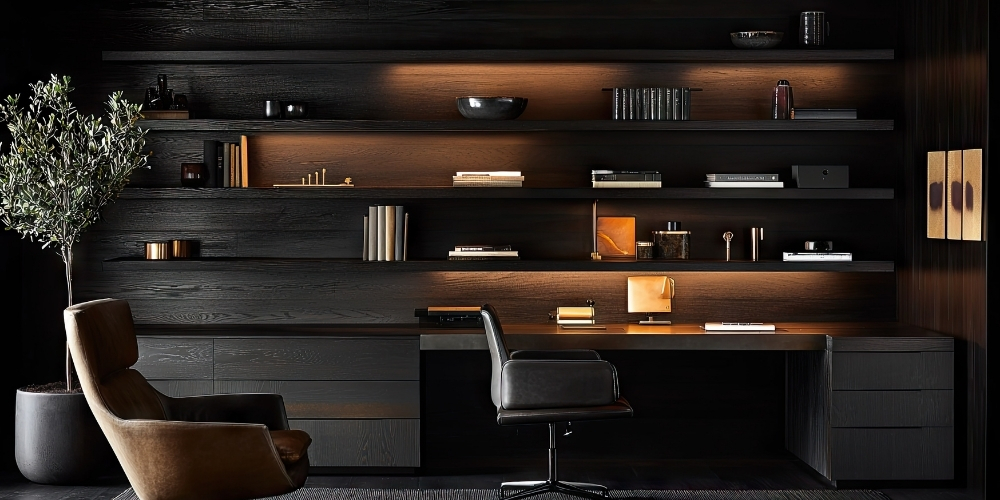
One of the most significant design responses to hybrid living has been the rise of integrated study nooks. These compact workstations are now essential inclusions – even in high-end homes – and an area where purpose-designed cabinetry truly shines.
Well-designed study nooks share several characteristics:
Concealability: Pocket doors or bi-fold panels allow clients to close off work zones after hours, reducing visual clutter and supporting mental boundaries.
Optimised ergonomics: Correct bench height, comfortable seating clearances, and clever cable management elevate the user experience.
Vertical storage: Open shelves, custom cubbies, and integrated file drawers ensure paperwork and devices have a dedicated place.
Acoustic considerations: Absorbent panels or adjacent shelving can help manage sound in open-plan layouts.
For small apartments or compact family homes, nooks can be carved out of underutilised spaces such as under stairs, within hallways, behind kitchen cabinetry, or integrated within living room joinery.
Flexible Cabinetry: Storage That Adapts to Life
Storage needs are constantly shifting as households evolve. Designers and cabinet makers have the opportunity to respond with solutions that offer adaptability without sacrificing aesthetics, including:
1. Adjustable shelving and modular units
These allow spaces to change alongside children’s growth, career changes, or new hobbies. A modular unit that begins as a toy station can transition into a craft bench, a music hub, or a home office.
2. Multi-use benches and islands
Kitchen islands now often include concealed charging stations, slide-out work surfaces, or integrated seating that supports everything from Zoom calls to homework sessions.
3. Dual-purpose wardrobes
Bedrooms increasingly require hybrid functionality. Custom wardrobes with built-in desks, fold-down tables, or media units help create “switchable” spaces ideal for teenagers or apartment dwellers.
4. Hidden tech integration
Embedding power outlets, wireless chargers, speaker systems, and device docks directly into joinery helps homeowners maintain a clean aesthetic while supporting everyday digital needs.
Flexible cabinetry places control back in the hands of the household, enabling rooms to meet multiple requirements without looking cluttered or transitional.
Movable Partitions and Zone Creation
As open-plan living remains popular, the need for subtle zoning has become more important. Movable partitions—whether sliding screens, pivot panels, or timber batten dividers—provide the perfect middle ground between openness and privacy.
These elements allow homeowners to:
✔️create a private work zone during the day
✔️shield clutter when guests arrive
✔️enhance acoustics for meetings or downtime
✔️visually soften transitions between functional areas
Timber batten screens are especially effective in Australian homes, offering warmth, partial transparency, and acoustic benefits while maintaining airflow. Sliding joinery panels, on the other hand, allow for complete transformation—opening up rooms for family time or closing them off for focused work.
Designing for Wellbeing in the Hybrid Home
A multifunctional home must also prioritise wellbeing. Designers are increasingly approaching hybrid interiors with a wellness mindset, recognising that environments heavily influence stress, productivity, and comfort.
Key considerations include:
Natural light and sightlines: Positioning workspaces near windows and ensuring open views promotes focus and boosts mood.
Acoustic comfort: Soft furnishings, strategic joinery placement, and acoustic panels help maintain harmony in busy households.
Materiality: Warm timbers, matte finishes, natural fibres, and low-VOC products support physical comfort and reduce visual noise.
Clutter control: Smart storage solutions are critical: clean spaces support clearer thinking and reduce daily stress.
A hybrid home thrives when it supports both activity and rest—making thoughtful design essential.
A Future-Proof Approach for Australian Households
Hybrid living is not a passing trend—it’s a long-term shift in how Australians use their homes. As lifestyles evolve, clients are seeking designs that can grow, shrink, transform, or refocus with minimal disruption.
For cabinet makers and designers, this represents an ongoing opportunity. Homes will increasingly rely on purpose-built joinery, adaptive spaces, and clever storage to enable more flexible ways of living. Those who understand the hybrid home – and can articulate these design solutions – will be well positioned to lead the next phase of residential design in Australia.
Ultimately, the hybrid home is about empowerment. When interiors adapt to the rhythms of daily life, households can work better, relax fully, and live more intentionally. Designers and cabinet makers hold the creative tools to make that possible.